

The “S” in ESG: Social Responsibility in Zimbabwe’s Tobacco Supply Chain
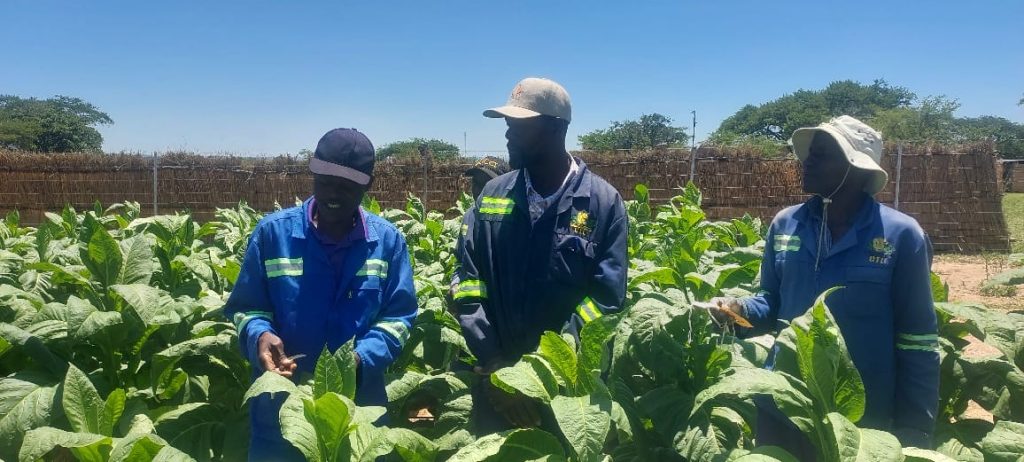
The “Social” pillar of Environmental, Social, and Governance (ESG) focuses on human rights, equity, and fairness within the tobacco supply chain. This article examines how these principles apply to the relationships between farmers, farm workers, contracting merchants, tobacco merchants, processed leaf exporters, and the wider communities involved in tobacco production and trade from seed to sale. We’ll delve into the social impacts, both positive and negative, arising from these business relationships.
Zimbabwe’s tobacco industry, like other export sectors such as horticulture, operates within an evolving international framework for business principles. The United Nations Guiding Principles on Business and Human Rights, for instance, are increasingly influencing legislation. The EU Corporate Sustainability Due Diligence Directive (CSDDD) now requires EU businesses to identify and address human rights and environmental impacts within their supply chains, while the Corporate Sustainability Reporting Directive (CSRD) mandates transparent reporting. This trend towards responsible business practices is global, with China also implementing due diligence guidelines for responsible mineral supply chains, with tobacco expected to follow in 2025.
To maintain its share of the global tobacco market, Zimbabwe’s entire supply chain must prioritize stakeholder rights and social equity. This is crucial for:
1. Sustainability: Ensuring responsible and sustainable operations for current and future generations and the communities we operate in.
2. Market Access: Maintaining and growing market share through transparent supply chain due diligence reporting.
3. Livelihood Protection: Safeguarding the livelihoods of over 1 million Zimbabweans dependent on the tobacco value chain.
Social issues within the tobacco industry are complex, often interconnected, and require a multi-stakeholder approach. Key concerns include:
· Labour Rights: Child labour, forced labour, fair wages, working hours, freedom of association, safe working conditions, and compliance with labour laws. Seven industry guiding principles, aligned with international and national legislation, have been established to address these issues and are regulated by the Tobacco Industry and Marketing Board (TIMB).
· Livelihoods: Ensuring sustainable and equitable livelihoods for all actors within the supply chain.
Farmer and Contractor Responsibilities:
· Market Awareness: Understand the evolving social and environmental expectations of the global tobacco market.
· Responsibility and Accountability: Embrace sustainability values and actively engage in responsible and accountable business practices.
· Impact Assessment: Proactively identify, remediate, track, and report on social and environmental impacts on farms.
· Compliance: Adhere to the Zimbabwe Agricultural Labor Practices (ZALP) Code, national labour laws, and relevant regulations.
· Internal Policies: Implement internal policies that align with good social governance and labour standards.
· Worker and Grower Training: Train workers and growers on the ZALP Code, National Employment Council Collective Bargaining Agreements, and codes of conduct.
· Stakeholder Engagement: Actively participate in stakeholder platforms to address social and economic issues affecting farmers and farm workers.
· Community Engagement: Listen to and address the concerns of stakeholders and rightsholders within the communities where they operate.
Illustrative Examples:
· Malawi: Lawsuits against UK manufacturers due to alleged human rights abuses in Malawi’s tobacco supply chain led to a ban on exports until significant improvements were made.
· Textile Industry: Forced labour allegations in certain cotton-producing countries led to boycotts by major clothing brands. However, through effective interventions and transparent monitoring, these supply chains were able to address the issues and resume exports.
Conclusion:
Addressing social challenges within the tobacco supply chain requires a collaborative effort from all stakeholders. A united industry committed to eliminating child labour, ensuring fair wages and working conditions, and promoting a safe and inclusive work environment is essential for the long-term sustainability and success of Zimbabwe’s tobacco sector. This collective effort will not only safeguard livelihoods but also contribute to the economic growth and development of the nation.