

Sustainable Tobacco Production (STP) and Environmental Social & Governance (ESG). A joint stakeholder responsibility
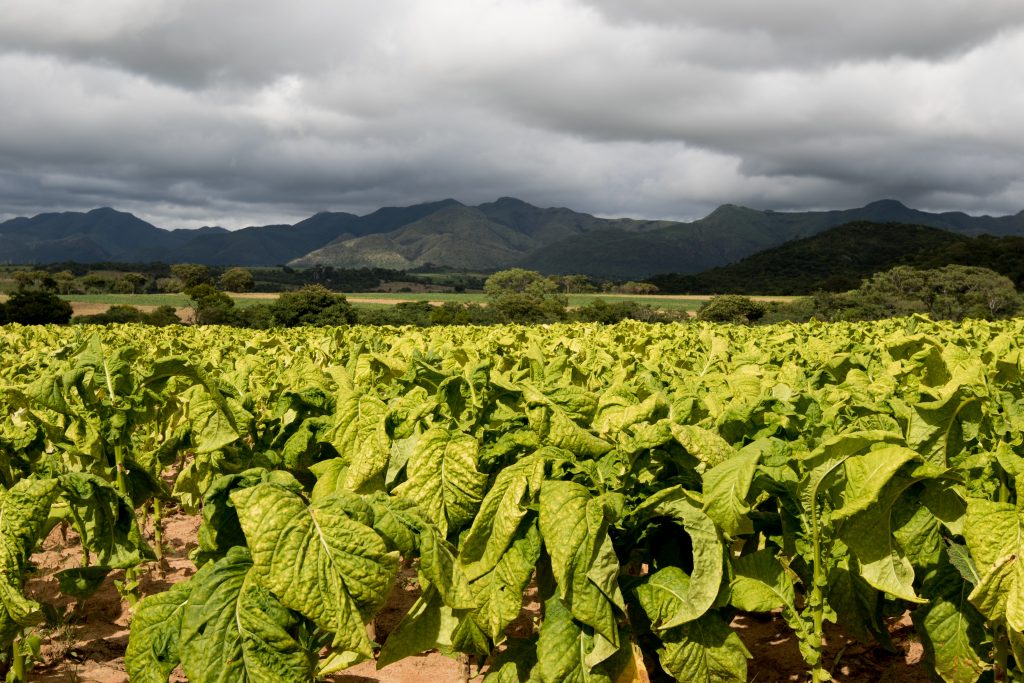
ESG or Environmental Social and Governance is broadly used when referencing issues around Sustainable Tobacco Production. What does it mean to be sustainable? Sustainability is commonly defined as using natural resources in a manner that the next generation will use and derive the same benefit. More simply, leave natural resources as you found them or better.
The tobacco industry is no stranger to external pressures from anti-smoking lobby groups, particularly the Framework Convention for Tobacco Control & UN/WHO grouping. The recent COP10 & MOP3 meetings held in Panama earlier this year are held every two years. More and more FCTC is moving towards ESG issues affecting tobacco value chain rightsholders.
The tobacco industry has also witnessed the development of programs such as STP which is a supply chain due diligence platform initiated by seven global cigarette manufacturers. It focuses on Water, Human and Labor Rights, Crops, Soil Health, Climate Change, Natural Habitats, Livelihoods and Governance.
The impact of the tobacco industry is normally viewed in terms of direct impact from growing, processing, manufacturing and ultimately to the end user, the focus has now shifted to the broader rights holders affected by the tobacco industry.
An example of Environmental concern would be the loss of indigenous woodland used for tobacco curing fuel as a direct impact, but then drilling down into the effect on local communities for loss of domestic wood fuel & building materials, loss of habitat & biodiversity as a food source, soil erosion, river siltation to name a few. Social concerns are also seen in the broader context of the impact on rights holders in local communities, an example being gender-based violence and sexual harassment from migrant workers in communities. Governance concerns manifest in poor regulatory environments where regulations are not adhered to or applied selectively by stakeholders & regulators. This also occurs as ”moral” risks where short-term profit motives are prioritized over negative long-term effects – this applies to stakeholders across the value chain.
There are external regulatory and legal requirements, locally but also more importantly in the countries or economic groupings where Zimbabwe’s tobacco customers operate. Pressure or interest groups in the form of shareholders, environment and rights groups, regulators, financiers, insurers and consumer groups are now all wanting to know that the entire value chain is meeting accepted ESG standards. Supply Chain Due Diligence is now mandatory in many countries and trade blocs, with sometimes heavy punitive measures and fines. There are also social risks and damage to companies’ reputations and brands that result in loss of revenue and shareholder value.
This explains the background of why ESG has become so important across value chains such as tobacco production, and many other primary agricultural products. Imports of products such as cotton and palm oil have been banned into certain areas like the EU due to labour (Social) and deforestation (Environmental) issues in the supply chain. Not only that, but major clothing brands for example have also dropped sourcing textiles and garments from these compromised supply chains. A major global law firm reported in 2024 that ESG disputes were ranked the highest litigation risk at 73% by their clients, and specifically climate change the highest ESG risk at 72%.
This translates to heightened awareness and focus on supply chain due diligence. ESG reporting is now a legal requirement in many countries for businesses listed on stock exchanges, non-listed over a certain size or in some sectors of the economy. There are now auditing reporting standards that require opinions not only on financial results but also on ESG reports. This is in response to “greenwashing” where companies have made false environmentally friendly claims about their products, with ensuing legal claims which have ended up in out-of-court settlements and/or punitive fines. Supply chains in resource/mining and primary agricultural supply chains feature prominently in these legal actions. Even where ESG reporting is not mandatory, companies are now expected to produce ESG reports for stakeholders, particularly end users. The younger
members of society are forward-looking and concerned with the current state of the environment, social issues etc and are active in calling out sectors, businesses and brands that do not measure up to acceptable ESG standards.
ESG is now a complex and very present issue for all global supply chains, and none more so than ones like tobacco. It requires full stakeholder acknowledgement, commitment and effort to meet the challenge. It is not new to Zimbabwe and other agricultural supply chains that ESG standards must be met for their product to enter international markets, the horticultural industry being a prime example. Producers and other supply chains in the recent resurgence of this industry in crops like blueberries have had to comply with the ESG standards. This comes at a cost to all players which ultimately must find its way into the value chain and be accepted along the way until ultimately landing with the final consumer. The same applies to the tobacco value chain and the ESG issues facing the industry will not be met by making costs the conversation’s starting point. Of course, viability and costs are major concerns for any business, but simply discounting or ignoring the activities that give rise to these costs is not a viable option and will ultimately lead to the loss of valuable customers and markets. This tobacco can be sold in other markets that have fewer concerns about ESG issues but at lower prices to the grower.
Tackling and solving ESG and STP issues is a joint stakeholder responsibility and will need all players in the value chain to understand their part in creating a sustainable supply chain – if one part fails then the entire chain fails – the so-called weakest link. It is time for a candid engagement of all stakeholders to become involved in the current efforts if you are not already partly or fully engaged.