

The “E” in ESG: Environmental Responsibility in Zimbabwe’s Tobacco Sector
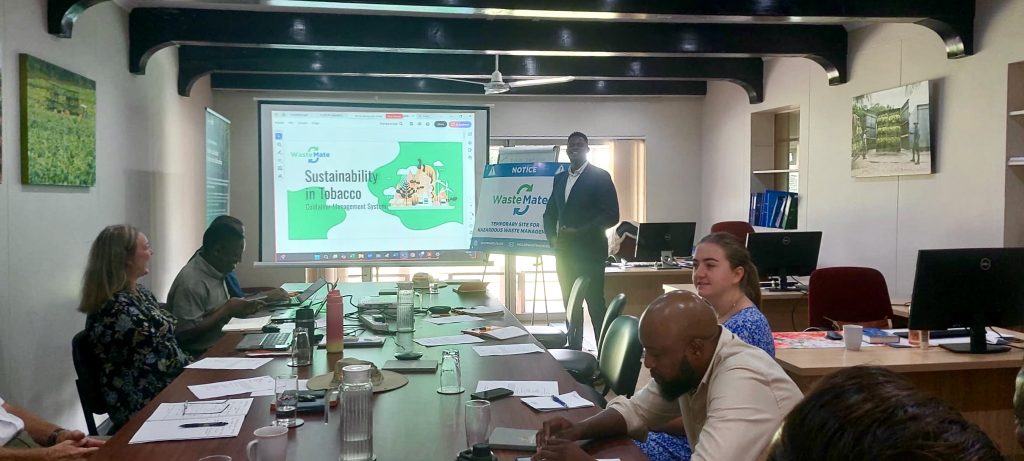
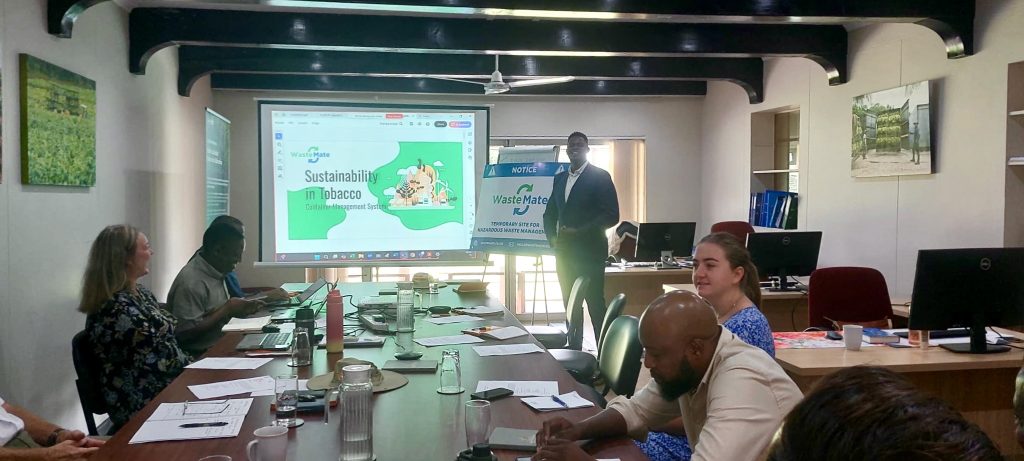
Sustainability in the tobacco industry hinges on using resources responsibly for future generations. This means leaving natural resources in the same or better condition than we found them.
Whilst the most pressing and visible environmental issue for the tobacco industry is that of sustainable curing fuel and deforestation, there are many other national and tobacco industry environmental challenges. Reports put national deforestation at about 250,000ha per annum with tobacco curing fuel accounting for about 35,000ha or about 15%.
The pressure of the deforestation issue on the tobacco industry continues to build and this is evidenced by some recently passed regulations in the EU, which accounts for about 30% of Zimbabwe’s tobacco exports:
· European Corporate Sustainability Due Diligence Directive (CSDDD) Effective from July 2024 which may result in companies having to pay full compensation to victims of major ESG negligence.
• European Corporate Sustainability Reporting Directive (CSRD) which became effective from 5 January 2023 which requires disclosure their environmental and social impacts.
• The EU Deforestation Regulation (EUDR) applicable from December 2024 and applies to palm oil, cattle, soy, coffee, cocoa, timber, rubber and any of their derived products. Tobacco and Zimbabwe likely to be added next.
The question from tobacco growers is most commonly “who will pay for the Zimbabwe tobacco industry’s compliance with such ESG requirements?” – fair question and one that needs to be addressed with a collaborative effort from growers, contractors, merchants, customers and government agencies. By prioritising sustainable practices, the Zimbabwean tobacco industry can ensure its long-term viability while minimizing its environmental impact.
Within the tobacco supply chain, outside of the pressing issue of deforestation, other key environmental concerns include:
Soil Health This is a major driver of crop yields and quality which ultimately determines grower profitability over the long term. Soil is a non-renewable and limited resource that must be used for long-term sustainability. Poor soil health can result in increased phosphates levels which leads to a higher incidence of soil borne diseases and it reduces water infiltration which leads to erosion and siltation of water ways as two examples.
Crop Protection Seeking better cop yields and qualities by growers results in greater use of crop protection agents CPAs that are not conducive to long term sustainability. Cost of Production COP pressures in Zimbabwe lead growers to look to cheaper alternatives that are
less environmentally friendly. There has been a proliferation of agricultural chemical and fertilizer products, some of which have questionable environmental integrity and may in fact not deliver cost effective solutions.
Natural Habitats These are adversely affected by unsustainable farming practices and the abuse of natural resources. Biodiversity is complex and intertwined with many aspects of farming and when its effect is diminished has many serious consequences for the environment and rightsholders who depend on its health. It may come as a surprise to know that in the UK environmentalists are campaigning for lawns to be returned to their natural state due to the major adverse effect on natural biodiversity.
Water Often referred to as the source of life and none so more in agriculture, as mother nature has reminded us in this last low rainfall season. Soil erosion through poor farming practices, deforestation, loss of insect and plant diversity, fertiliser and chemical contamination of waterways, compromised wetlands and many more effects.
Moving Zimbabwe Tobacco to full sustainability will take a joint stakeholder approach from growers, contractors, merchants, customers and all the government ministries and parastatals involved.
Finally, looking after our environment should not only be about business and money, but also what we want to pass on to the next generation.