

Environmental Sustainability
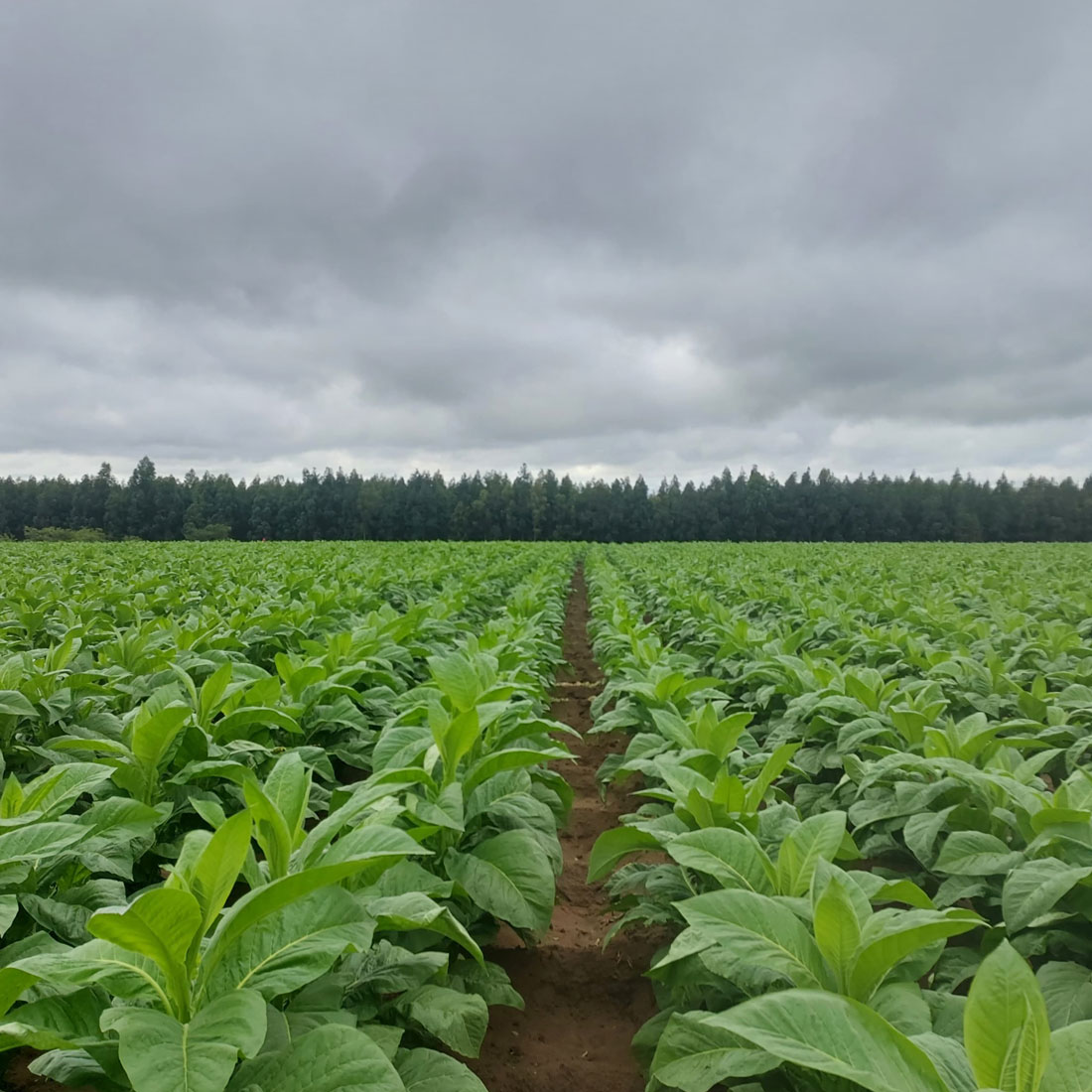
In an era where sustainability is paramount, the Tobacco Leaf Exporters Association of Zimbabwe (TLEAZ) is setting and leading with minimum standards for responsible and environmentally-conscious tobacco production. Recognizing the urgent need to adapt to today's sustainability standards, TLEAZ and its member companies have embarked on a transformative journey towards a justifiable and more ethical tobacco industry.
The Road to Sustainability
TLEAZ's commitment to sustainability begins with a fundamental understanding: the future of the tobacco industry depends on environmentally conscious and socially responsible practices within our memberships supply chains. It is no longer enough to merely cultivate tobacco; it must be done in harmony with all facets of life and the communities that rely on the Environment.
Responsible Farming Practices
TLEAZ's member companies have adopted sustainable farming practices that prioritize soil health, minimise the use of chemical inputs, conserve water and promote biodiversity. These practices not only ensure the long-term viability of tobacco farming but also decreases its impact on the environment.
Environmental Stewardship
Reducing carbon emissions through converting traditional barns to more efficient modern barns and moving from the use of coal in our tobacco curing to sustainably grown wood. These initiatives will assist in conserving precious resources like our indigenous forests. Among other topical issues, water has become a key priority for TLEAZ where harsh weather conditions are becoming more frequent, emphasizing more on responsible farming practices. Through innovations in technology and farming techniques, member companies are making significant strides in reducing their environmental footprint.
Farmer Forestry Project
The Farmer Forestry Project seeks to empower tobacco farmers to sustainably produce their own curing fuel while contributing to the preservation and restoration of Zimbabwe’s natural forests. The initiative targets 300 farmers across Hurungwe (Mashonaland West) and Mashonaland Central, each establishing a woodlot of 330 trees on approximately one-third of a hectare. The project also aims to evaluate the performance of selected indigenous and naturalized tree species compared to eucalyptus, identifying faster-growing and locally suitable options for curing fuel and domestic wood energy.
In addition to reducing deforestation, the Farmer Forestry Project promotes biodiversity conservation, soil and water restoration, and improved agricultural productivity. By lowering production costs through on-farm curing fuel and demonstrating effective use of Tobacco Levy funds, the project provides a scalable model for sustainable tobacco production. It aligns with Zimbabwe’s national commitment to end and reverse deforestation by 2030, supporting both environmental resilience and long-term grower sustainability.
Emphasizing responsible farming practices, and the role they can play as a sustainable wood source for domestic use, member companies are making significant strides through innovations in technology and farming techniques to reduce their environmental footprint.
Barn Conversion: Key Stats & Smart Investment Insights
54000 barns are currently work in progress being converted from standard barns to other modern innovations aligned to the TLEAZ member companies. The standard focuses on a chimney 30cm above roof height, a v-slot furnace, furnace door, and barn door to increase the efficiency of barns. This will result in an estimated 30% reduction in wood fuel consumption and reduced emissions.